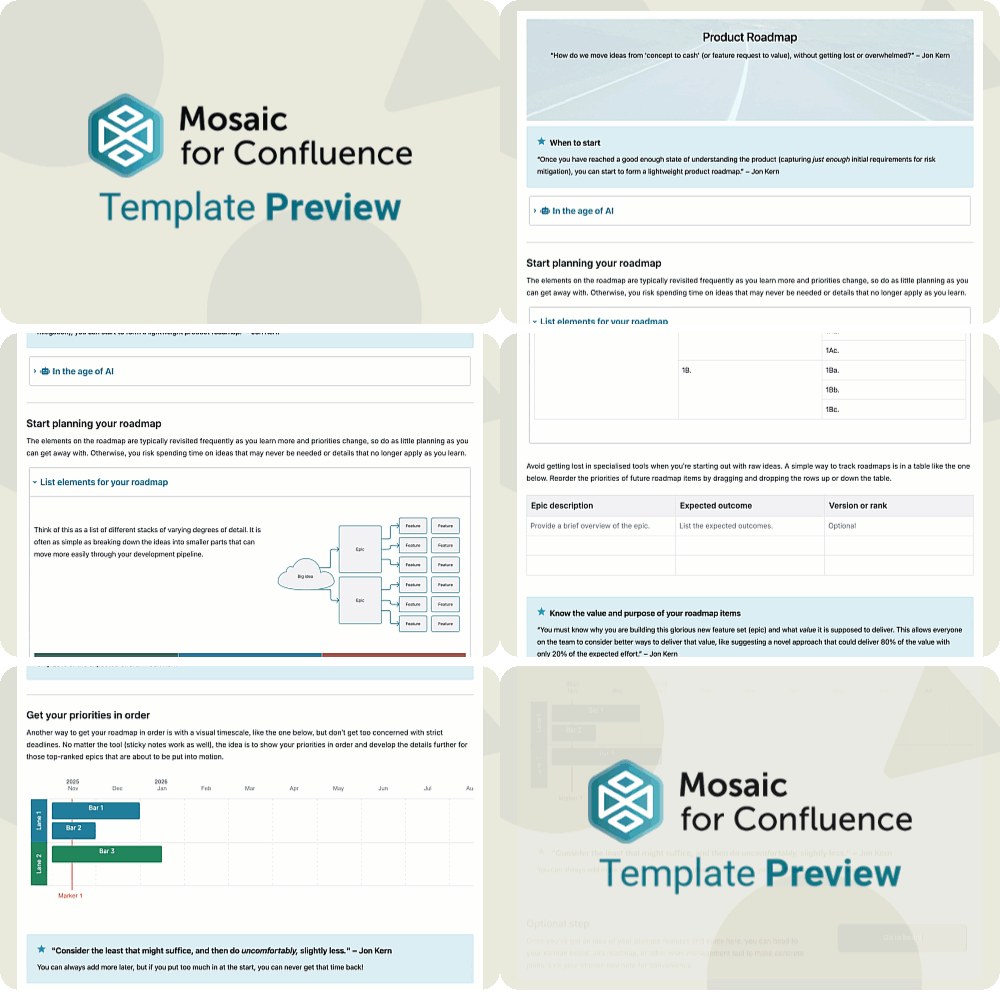
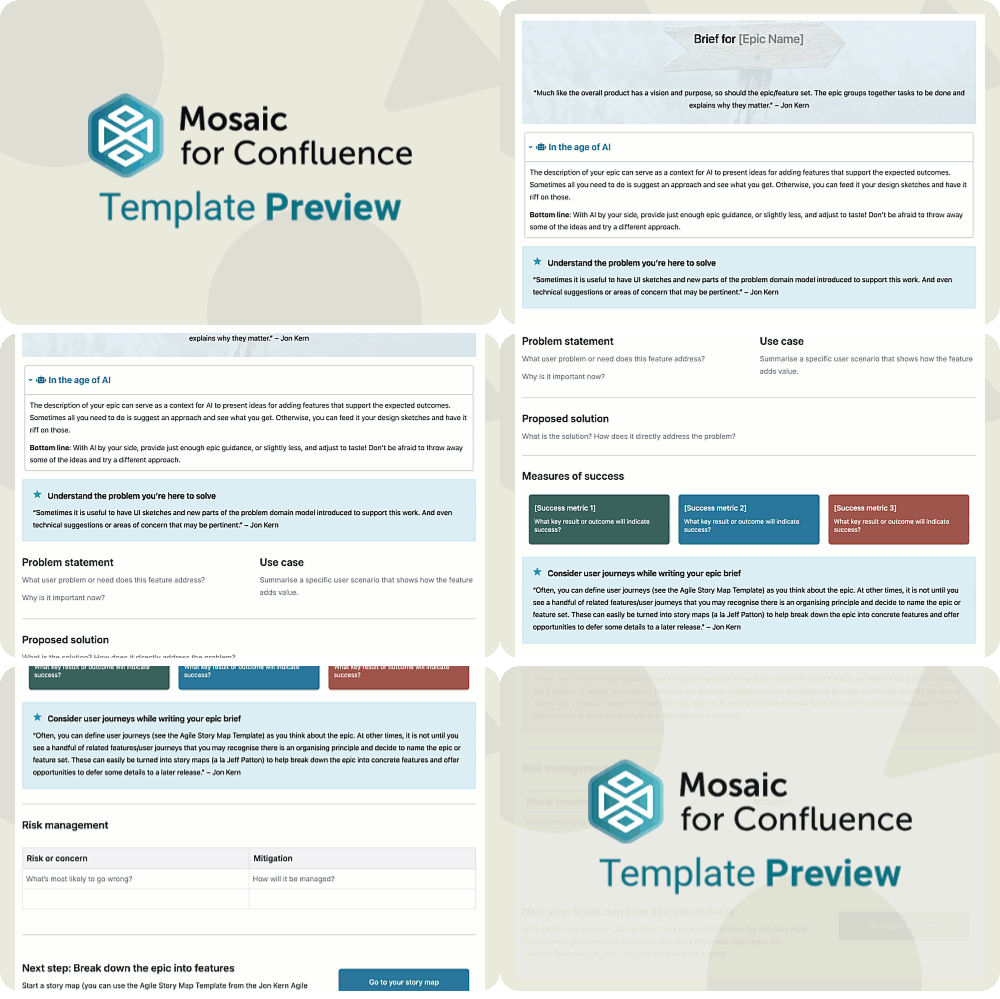
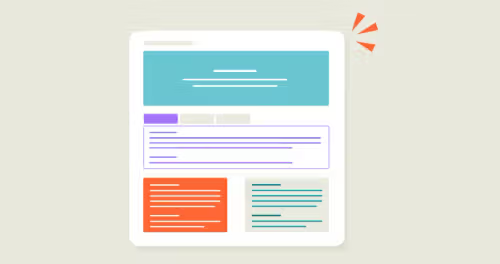
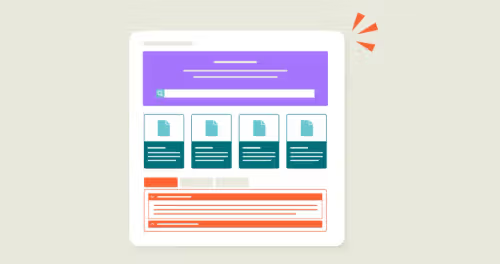
Want to use our Agile Product Roadmap Template? Simply install Mosaic for Confluence and choose it from the Confluence templates library.
Once you've installed Mosaic, follow these steps:
Create a new page or live doc in Confluence, then click All templates from the bottom menu.
Click on the templates search bar and type ‘Jon Kern’.
Select the ‘Agile Product Roadmap’ template to get started, or hover over it for a preview.
This Product Roadmap Template is part of the Jon Kern Agile Framework: a set of ten templates filled with expert advice and guidance to help your team master agile work. To learn more about Jon Kern and the Agile Manifesto, and to see the rest of the templates in this framework, head to the Jon Kern Agile Framework Hub.
What is a product roadmap?
A product roadmap is where your team decides on the big ideas, epics, and features that will be next in line for development, based on how they will help you reach the goal laid out in your vision statement. It guides the process from getting the first messy ideas down on a page to tidying them up and organising them by priority.
Why does your team need a product roadmap?
A roadmap gives your team a shared view of what you are trying to achieve and in roughly what order, so discussions move from "What are we building?" to "Are we building the right things?".
By framing work around expected outcomes, a roadmap makes it easier to decide what to do now, what to delay, and what to drop entirely, instead of endlessly juggling an unstructured backlog.
A clear roadmap helps stakeholders see how today's work fits into the bigger picture, making it easier to explain trade‑offs and changes in direction without losing trust.
A roadmap gives your team a shared view of what you are trying to achieve and in roughly what order, so discussions move from "What are we building?" to "Are we building the right things?".
By framing work around expected outcomes, a roadmap makes it easier to decide what to do now, what to delay, and what to drop entirely, instead of endlessly juggling an unstructured backlog.
A clear roadmap helps stakeholders see how today's work fits into the bigger picture, making it easier to explain trade‑offs and changes in direction without losing trust.
A roadmap gives your team a shared view of what you are trying to achieve and in roughly what order, so discussions move from "What are we building?" to "Are we building the right things?".
By framing work around expected outcomes, a roadmap makes it easier to decide what to do now, what to delay, and what to drop entirely, instead of endlessly juggling an unstructured backlog.
A clear roadmap helps stakeholders see how today's work fits into the bigger picture, making it easier to explain trade‑offs and changes in direction without losing trust.
What elements should a product roadmap include?
Brainstorming and listing
While ideas are fresh and undefined, it's a good idea to jot them down somewhere uncomplicated, like a simple list on a Confluence page.
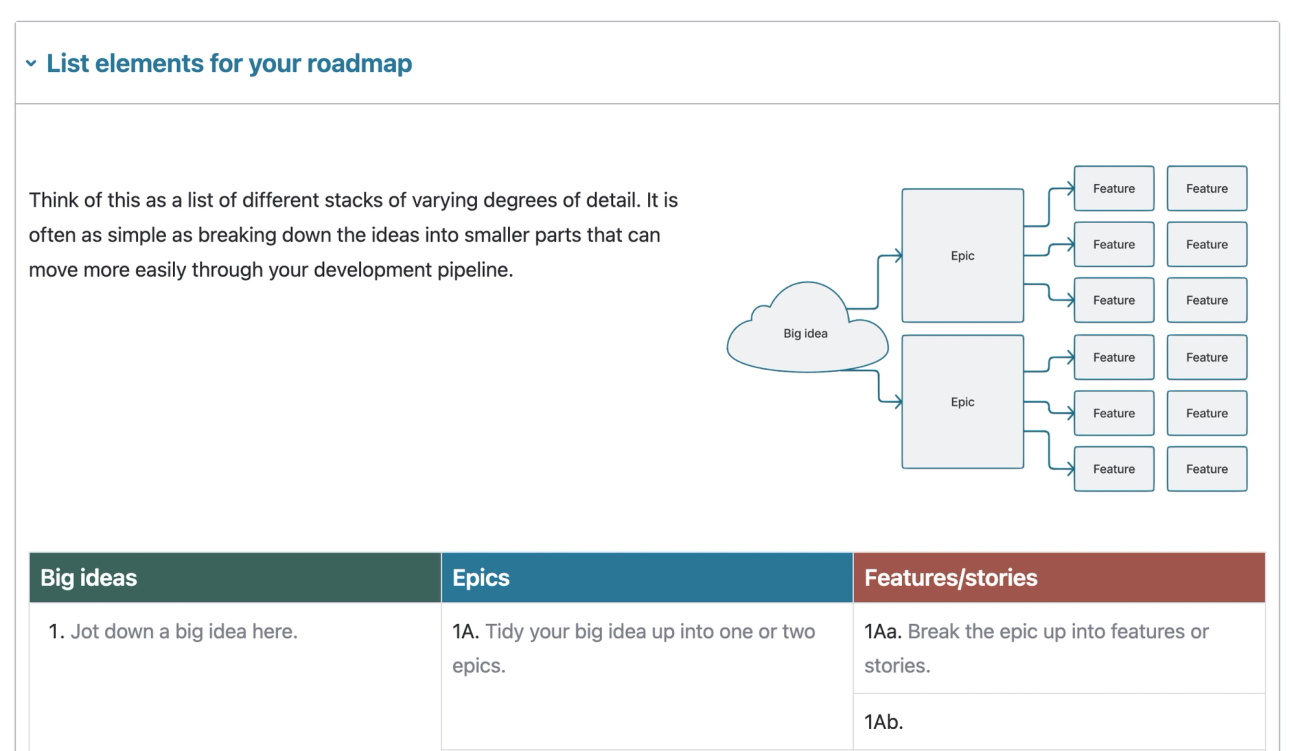
Our template includes a table within a collapsible section, with three columns to capture big ideas, epics, and features before they’re defined enough to be added to the roadmap.
Planning
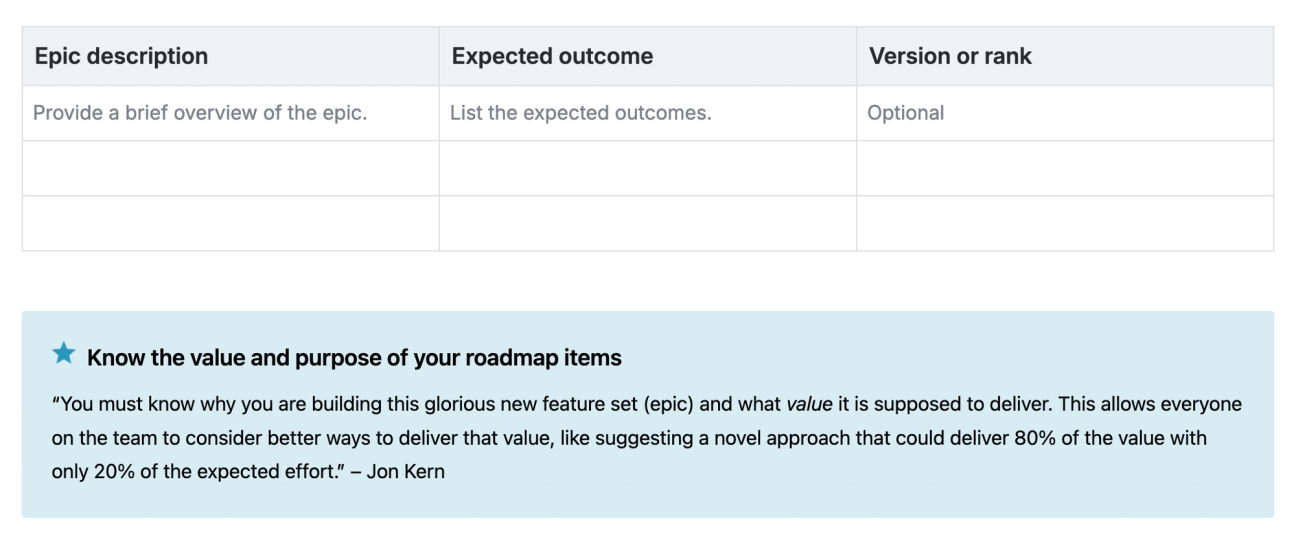
As you consider and develop your ideas further, a table like the one in our template is a useful way to capture the outcomes you expect from proposed features. This will help your team see the real value of their ideas and start to prioritise between them.
The roadmap itself
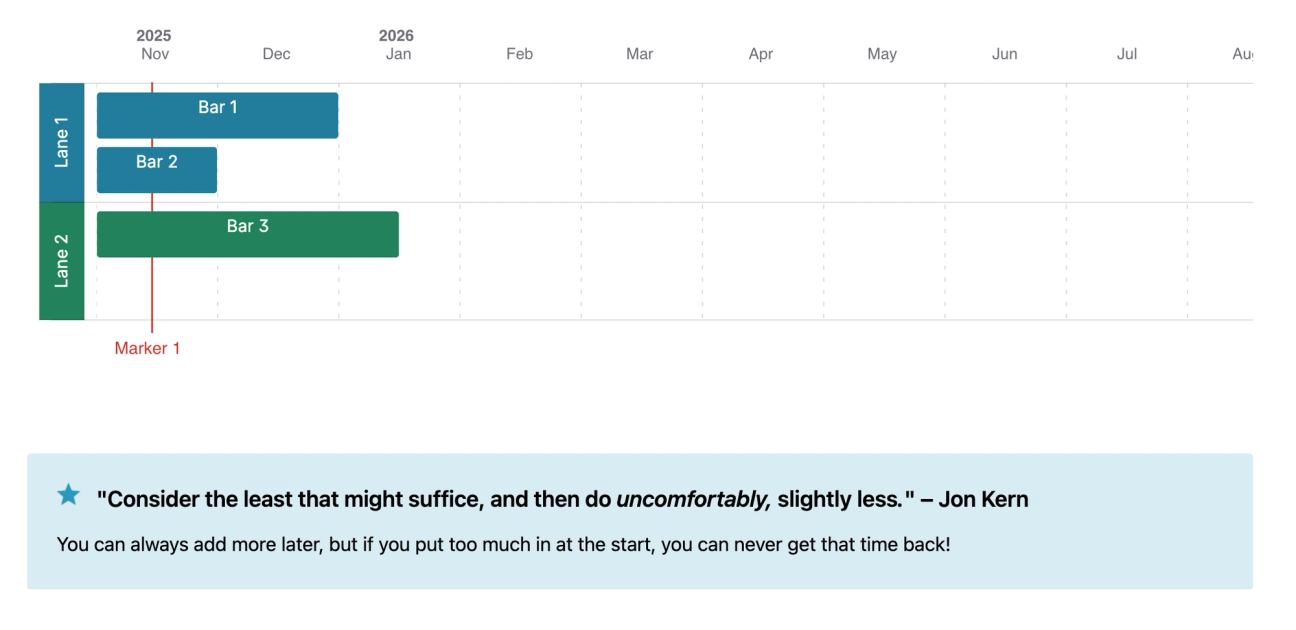
Confluence’s roadmap macro is a great way to visually lay out your roadmap and start organising epics and features by priority, so everyone can clearly see what’s coming.
(Optional) Link to next step
Once you know what your plans are, you can start tracking the work that’s going towards them. Add a link to the card titled “Go to board” to connect your product roadmap to Jira or a kanban board in Confluence if you’d prefer something simpler.
Next in the Jon Kern Agile Framework
This Product Roadmap Template is the second template of the Jon Kern Agile Framework. Click the button below to see the next template in this set, or head to the Jon Kern Agile Framework Hub to see them all.