
3 ways to add numbered headings to your Confluence pages
Share on socials
3 ways to add numbered headings to your Confluence pages

Jump to Section
Jump to section
Option 1. Manually number headings
- How to manually number headings
Option 2. Auto number headings with a macro
- How to auto number headings
Option 3. Auto number headings & improve page design
Ready to improve the structure and navigation of your Confluence pages? Here are three approaches to numbering headings, and how to choose the right option for your needs.
Headings shape how people and search tools understand a page. If you want a quick refresher before you start, read our guide to structuring Confluence pages. In this guide, we share three practical ways to add numbered headings in Confluence, when each option works best, and what to watch for in 2026.
Spoiler alert: You can’t automatically number headings in Confluence Cloud. To avoid manual numbering, you’ll need an app from the Atlassian Marketplace.
Spoiler alert: You can’t automatically number headings in Confluence Cloud. To avoid manual numbering, you’ll need an app from the Atlassian Marketplace.
Quick answer - what’s the best way to number Confluence headings?
For a one-off page, manual numbering is fine. For living documentation, use an automatic numbering app so numbers update when you add, move or delete sections. If you also want better page design, templates, and formatting, choose Mosaic for Confluence because it includes Numbered Headings alongside other content macros.
1. Manually number headings in Confluence
Manual numbering means typing numbers directly into each heading, such as 1. Introduction and 1.1 Scope. It’s simple, free, and doesn’t require an app, but it can slow down on pages that change often.
✍️ Tip: Draft your heading outline first. It’s easier to spot missing sections before you start typing numbers into the page.
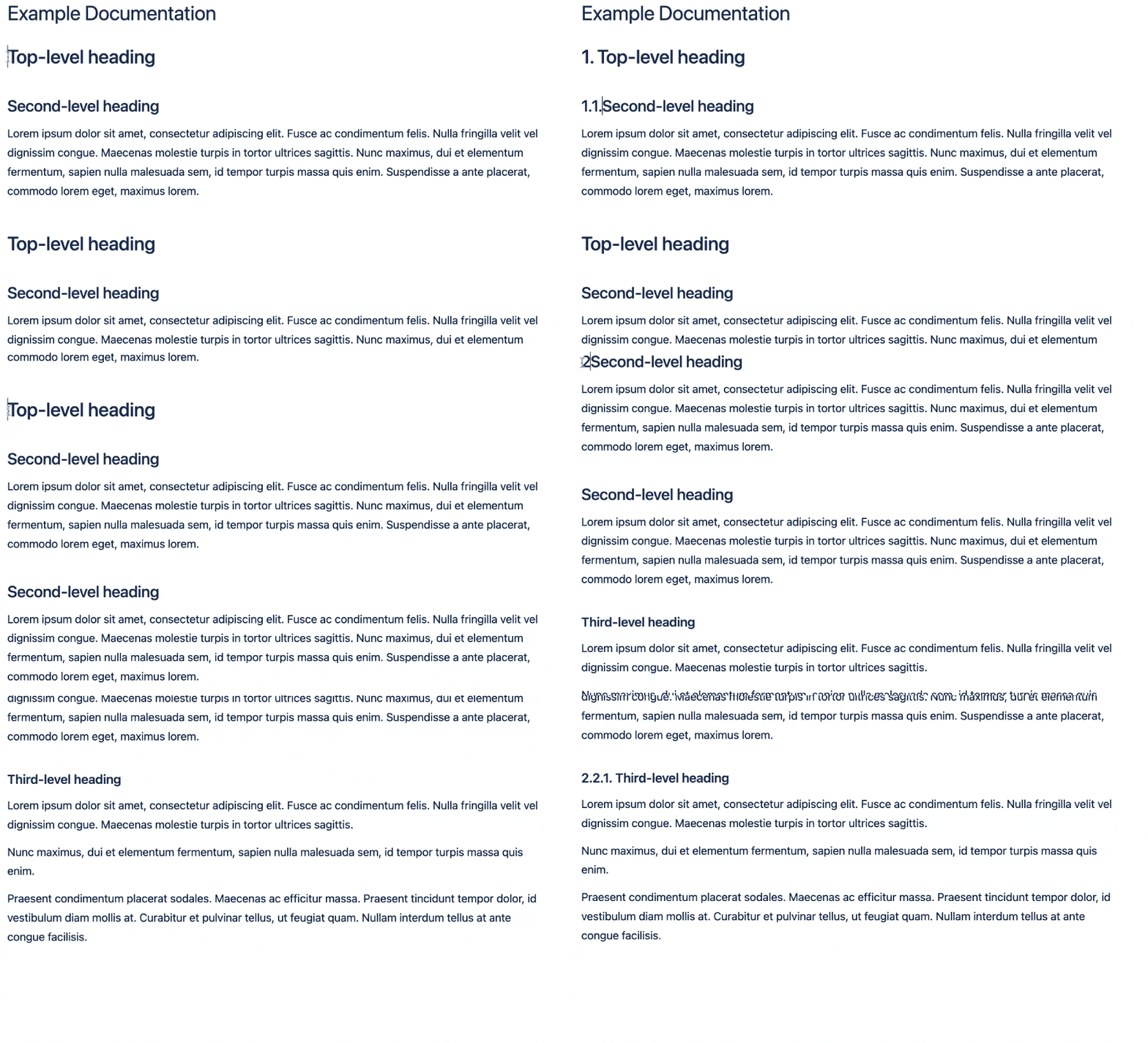
How to manually number headings on a Confluence page
How to manually add numbered headings in Confluence
Use this method when you only have a short page or a page that won’t be updated often.
- Open your Confluence page and click the Edit (pencil) icon.
- Scroll to your first main heading.
- Type the number before the heading text (e.g. “1. Introduction”).
- Number subheadings in the same section, for example, “1.1. Goals” and “1.2. Requirements”
- Repeat the pattern for each header.
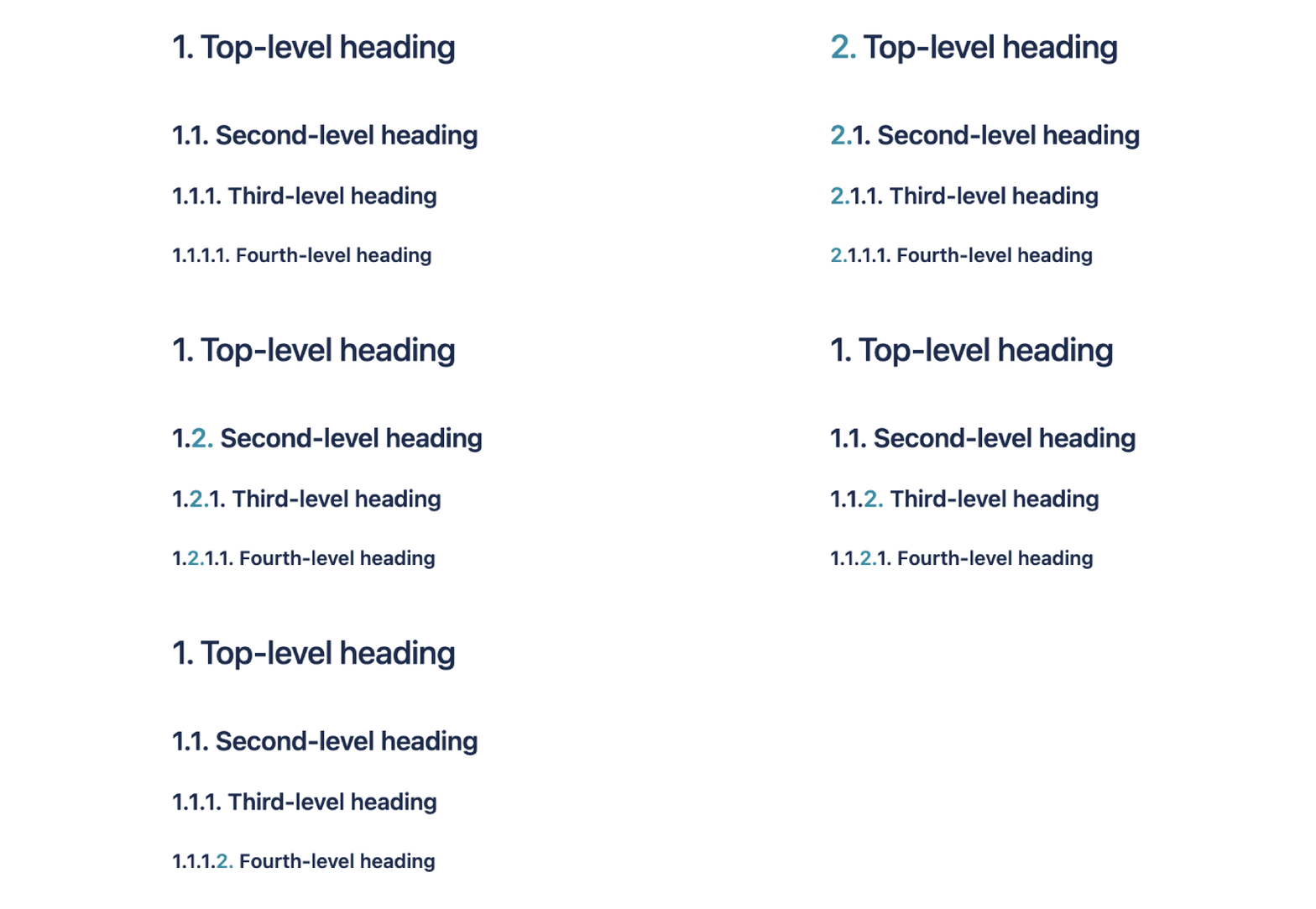
Your heading level will affect the part of the number to change
The main drawback is maintenance. If you add a new section near the top of the page, every later number may need to change. That creates extra work and makes errors more likely.
Manual numbering works best when:
- You’re editing a small number of pages.
- The page has only a few headings.
- The content is stable and rarely changes.
- You don’t need numbered exports or page-wide numbering rules.
If your team collaborates on long documentation, we recommend an automatic option instead.
2. Automatically number your headings with Numbered Headings
The Numbered Headings macro automatically keeps your heading numbers up to date. You can add numbering from the page controls, choose a format, and avoid typing numbers into every heading.
This is the stronger choice for pages that change over time, such as product documentation, operating procedures, project plans and knowledge base content.
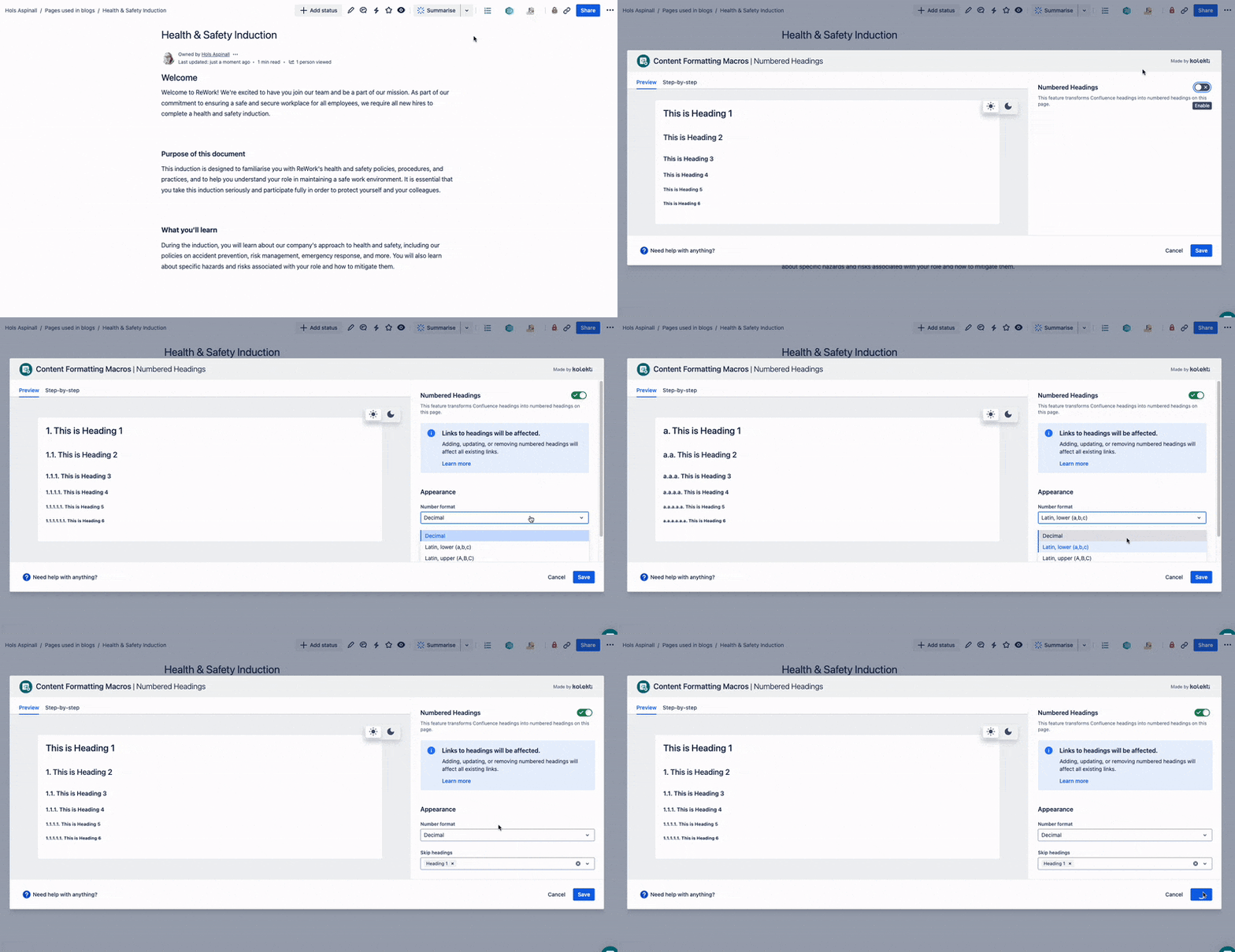
The Numbered Headings macro makes structuring pages a breeze
Numbered Headings makes structuring pages easier
Discover how much time you save👇
Benefits
- Automatic updates: Numbers stay in sequence when the page changes.
- Custom formats: Choose from standard numbers (1, 1.1), Roman numerals (I, II) or Latin letters (A, B).
- Cleaner pages: Avoid tedious manual numbering for each heading.
- Better exports: Keep numbered sections clear when you share pages outside Confluence.
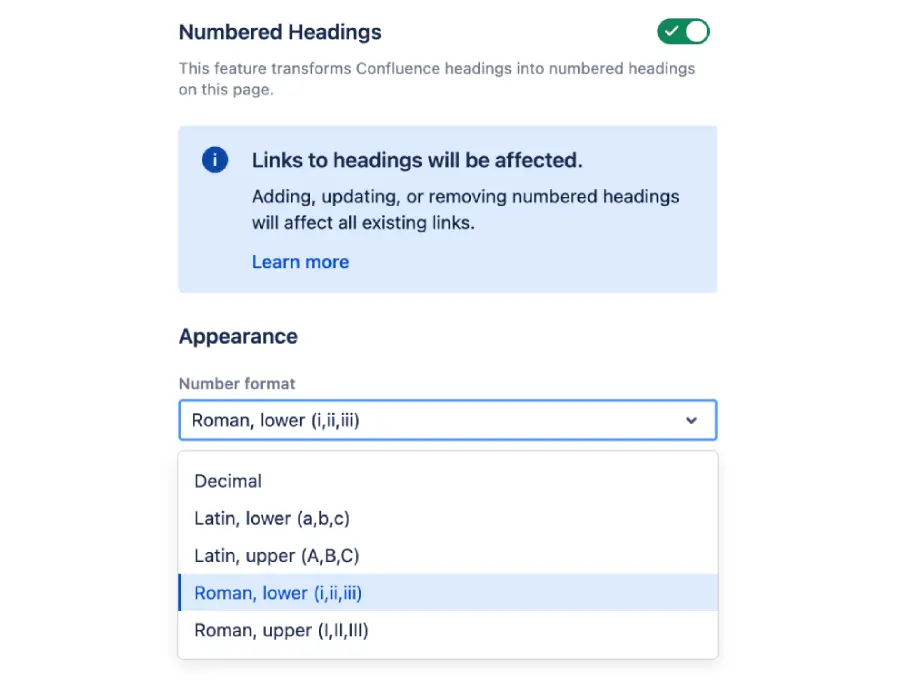
Numbered Headings gives you several number formats to choose from
How to use the Numbered Headings macro in Confluence
- Install Numbered Headings for Confluence
- Create your page and use standard Heading styles (H1, H2, etc.) to format your content.
- Publish or update the page.
- Click the Numbered Headings icon from the Edit menu.
- Toggle numbering on and choose your format.
- Save your settings and refresh the page if needed.
Watch the gif below to see how it's done 👇
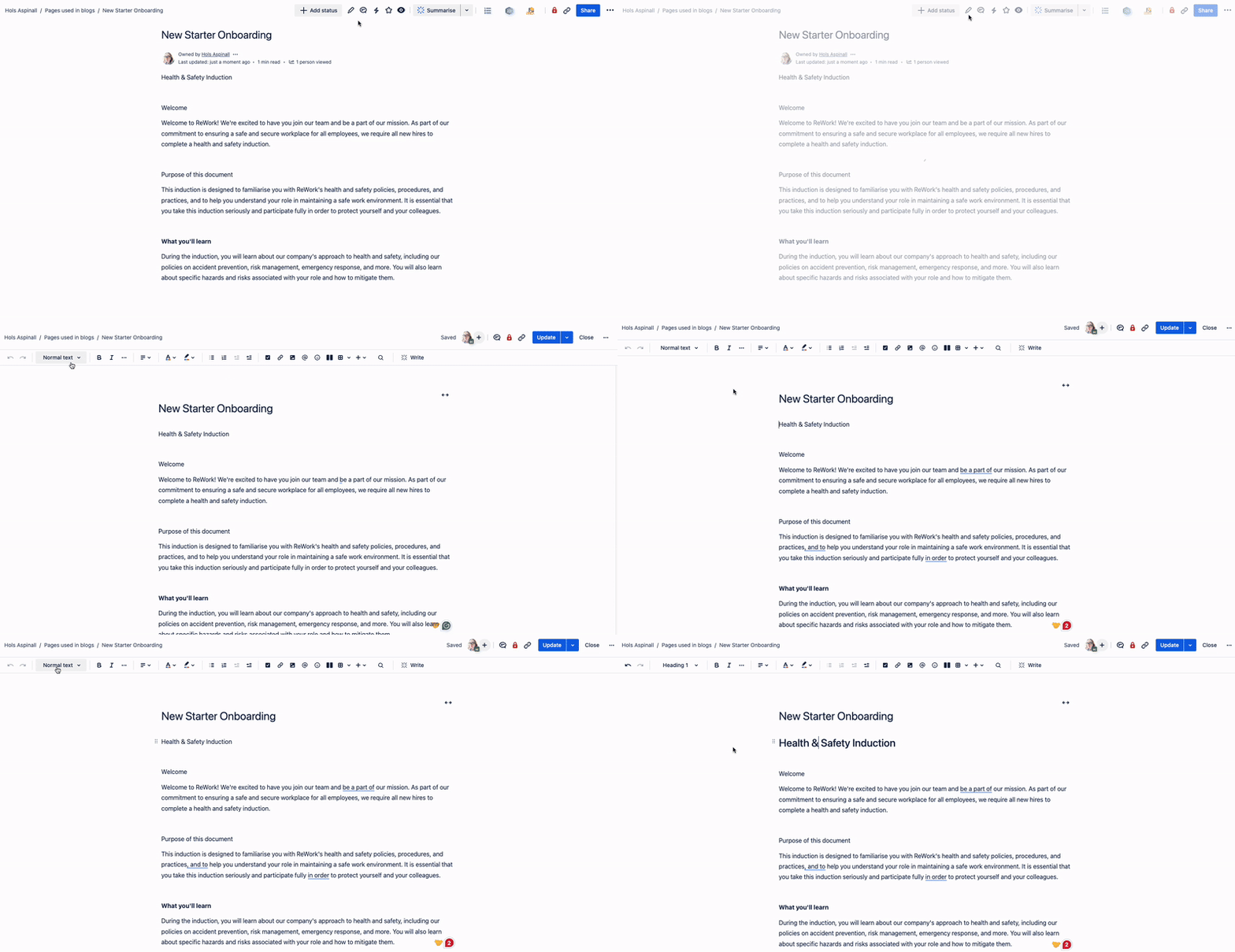
Choose Numbered Headings if you mainly need automatic numbering. If you also want page layouts, branded sections, and reusable design patterns, Mosaic for Confluence may be better value.
3. Get Numbered Headings and all-in-one styling with Mosaic
If you want to go beyond just numbering, consider Mosaic for Confluence. Mosaic includes the Numbered Headings macro, along with a wider set of macros for building clearer, more engaging Confluence pages
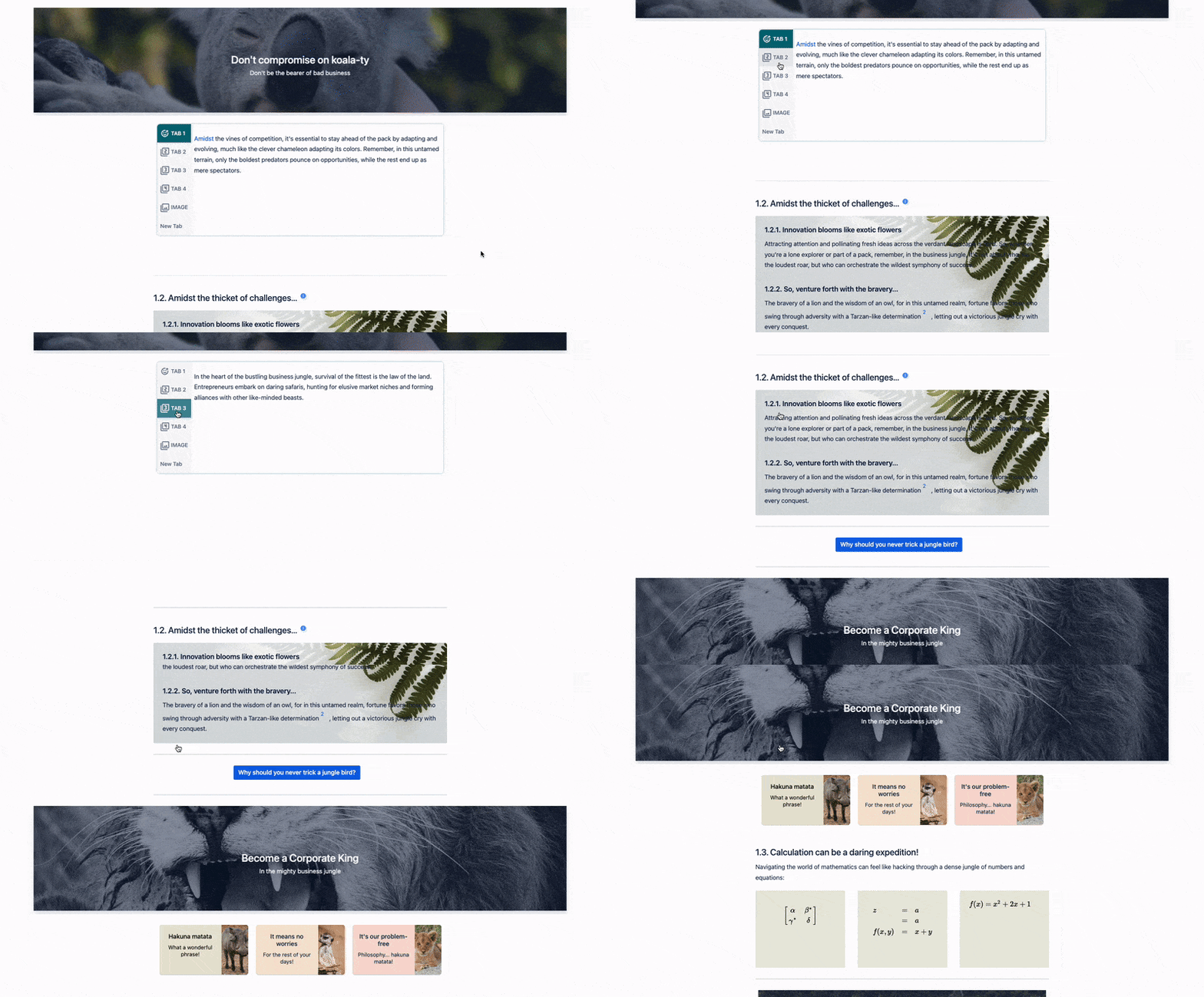
You can use Numbered Headings alongside other macros included with Mosaic.
Mosaic vs Numbered Headings - the main difference
Numbered headings focus on structure. Mosaic gives you structure and presentation in one toolkit. With Mosaic, you can combine heading numbers with:
- Tabs: Split related information into clear, clickable sections.
- Advanced Cards: Show options, resources or next steps in a visual grid.
- Backgrounds: Group important content and add emphasis.
- Buttons: Create clear calls to action.
- Templates: Help teams start from a consistent layout.
Mosaic is useful when you’re building a knowledge base, improving documentation, or making important pages easier for busy teams to use.
Is Mosaic right for you?
Mosaic is worth considering if you want to organise your Confluence pages and make them easier to read, scan and act on.
- You want more consistent branded pages.
- You’d rather manage one content toolkit than several separate apps.
- You want to make pages more engaging and accessible.
- You want templates and design support for your team.
Bottom line: choose Mosaic when your pages need automatic numbering plus layout, styling and reusable content patterns.
Option | Best for | Main benefit | Watch out for |
|---|---|---|---|
Manual numbering | Short, static pages that rarely change | Free and quick to get started | Can be time-consuming and requires renumbering by hand |
Living documentation | Automatic, consistent numbering | Focuses on heading structure but nothing else | |
Pages that need structure and design | Automatic numbering plus extra formatting macros | Best when you’ll use the wider toolkit |
Frequently asked questions
Can Atlassian Rovo number headings for me?
Rovo can make edits to a page, but it still requires a prompt, which can be more time-consuming to write than pressing a button. It also doesn’t automatically update page numbering when headings change. For reliable automatic numbering, use a purpose-built app.
Do numbered headings help readers?
Yes. Numbered headings make long pages easier to scan, reference and discuss. They’re especially helpful in technical, legal, policy and support content.
What are numbered headings useful for?
Numbered headings help readers scan long pages, quote the right section, and follow a clear sequence. They’re especially useful for:
- Technical documentation: Make specs, release notes and architecture pages easier to reference.
- Policies and procedures: Give reviewers a stable section number to discuss.
- Step-by-step guides: Keep instructions in the right order.
- Troubleshooting articles: Help support teams point users to the exact fix.

Ready to make your content easier to use?
If you only need a quick fix, manual numbering will do. If you want reliable numbering on pages that change, try Numbered Headings. If you want numbering plus better page design, try Mosaic for Confluence Cloud.
Related Content
Read more


Written by
Related Content
Read more