Kolekti home
Join Kolekti and The Adaptavist Group at Team '26 in Amsterdam | 6-8 October
Read more

Confluence Product Requirements Document Template

Define product features, functionality, and requirements in an engaging page that is easy for readers to navigate.
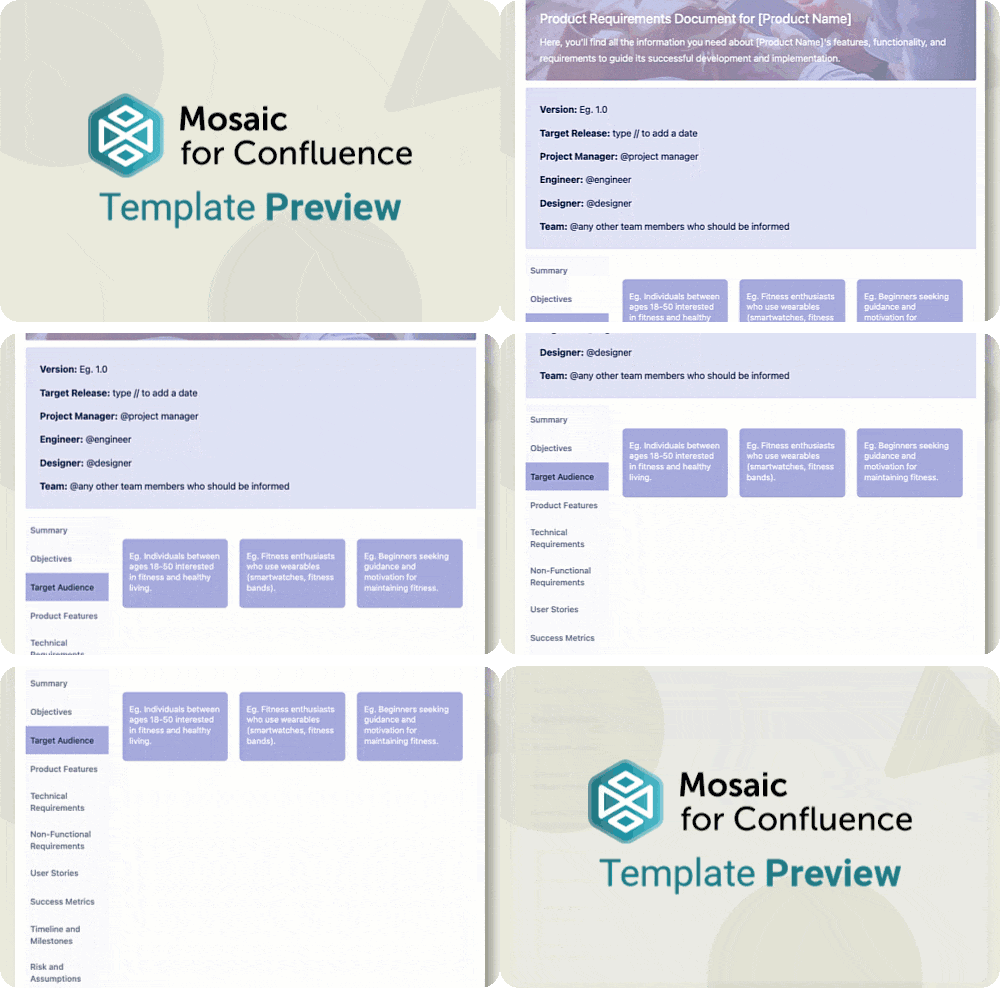
A gif of a user scrolling to show the Confluence Product Requirements Document Template
Want to use our Product Requirements Document Template? Simply install Mosaic for Confluence and choose it from the Confluence template library.
Once you've installed Mosaic, follow these steps:
  1. Create a new page or live doc in Confluence, then click All templates from the bottom menu.
  2. Click on the templates search bar and type ‘Mosaic’.
  3. Select the ‘Product Requirements Document’ template to get started, or hover over it for a preview.
We have many different Confluence templates - find the right one for you and save time through automation!

What is a product requirements document?


A product requirements document (PRD) defines the purpose, features, and functionality of a product, serving as a blueprint for development teams and stakeholders. It brings business objectives and technical execution together, helping everyone work towards a shared vision.

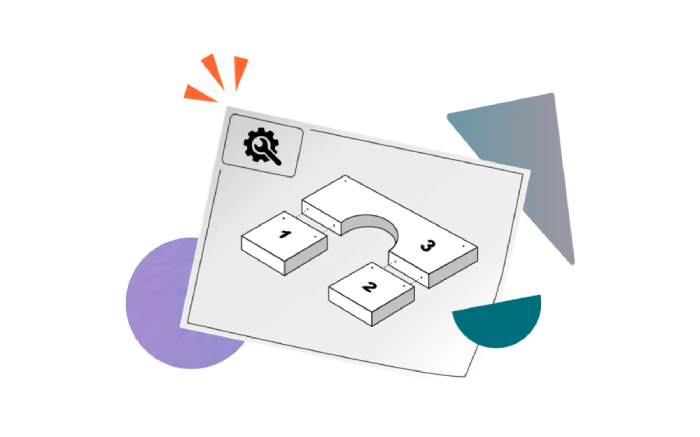
A stylised image of a blueprint or instructional diagram

Why does your company need a product requirements document?

A PRD helps bring business goals and technical work together, making sure everyone - from developers to stakeholders - is on the same page. It removes confusion by clearly outlining what success looks like from the start.
Stylised image of a signpost with a right direction and two wrong directions marked on it with ticks and crosses
With clear acceptance criteria, quality assurance teams can create accurate tests, catching issues sooner and making sure the final product meets both technical and business expectations.
A gold trophy sat on top of a stack of documents
PRDs act as a helpful guide for new team members and a reference point for future updates. They make it easier to pick up where others left off and build on previous work smoothly.
Stylised image of a set of cookie cutters
A PRD helps bring business goals and technical work together, making sure everyone - from developers to stakeholders - is on the same page. It removes confusion by clearly outlining what success looks like from the start.
With clear acceptance criteria, quality assurance teams can create accurate tests, catching issues sooner and making sure the final product meets both technical and business expectations.
PRDs act as a helpful guide for new team members and a reference point for future updates. They make it easier to pick up where others left off and build on previous work smoothly.
Stylised image of a signpost with a right direction and two wrong directions marked on it with ticks and crosses
A gold trophy sat on top of a stack of documents
Stylised image of a set of cookie cutters
A PRD helps bring business goals and technical work together, making sure everyone - from developers to stakeholders - is on the same page. It removes confusion by clearly outlining what success looks like from the start.
Stylised image of a signpost with a right direction and two wrong directions marked on it with ticks and crosses
With clear acceptance criteria, quality assurance teams can create accurate tests, catching issues sooner and making sure the final product meets both technical and business expectations.
A gold trophy sat on top of a stack of documents
PRDs act as a helpful guide for new team members and a reference point for future updates. They make it easier to pick up where others left off and build on previous work smoothly.
Stylised image of a set of cookie cutters

What elements should a product requirements document include?

Product or version details

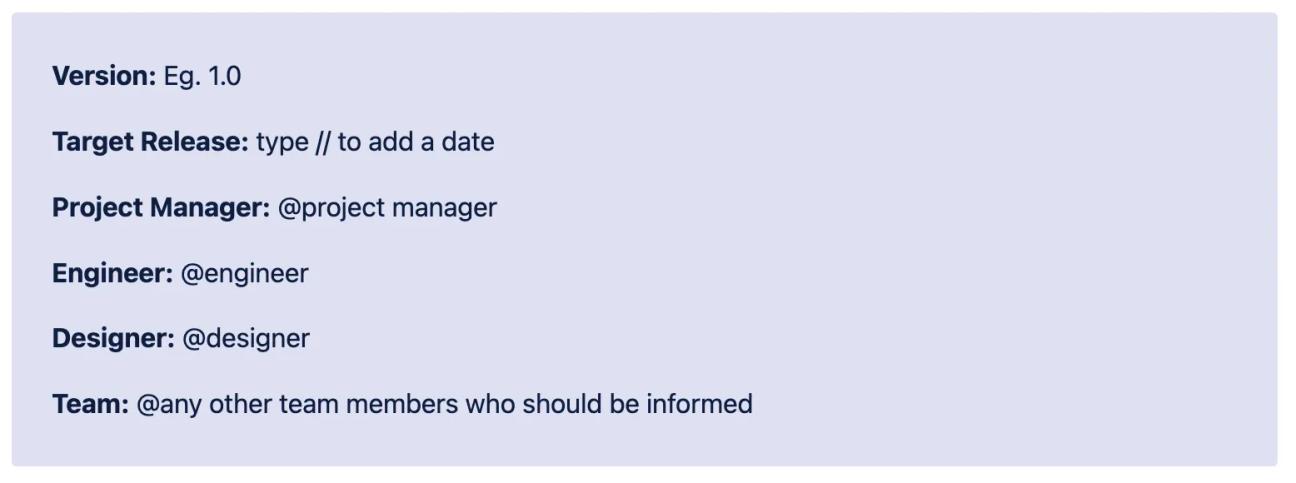
Clearly displaying information like the version number and target release date ensures readers know they’re in the right place when they first open the document, while tagging the project manager, engineer, designer, and team helps keep everyone informed, accountable, and aware of who to contact.
Highlight the information on a colourful background, so no one misses it.

The overview section of the Product Requirements Document Template for Confluence

Easy-to-navigate sections

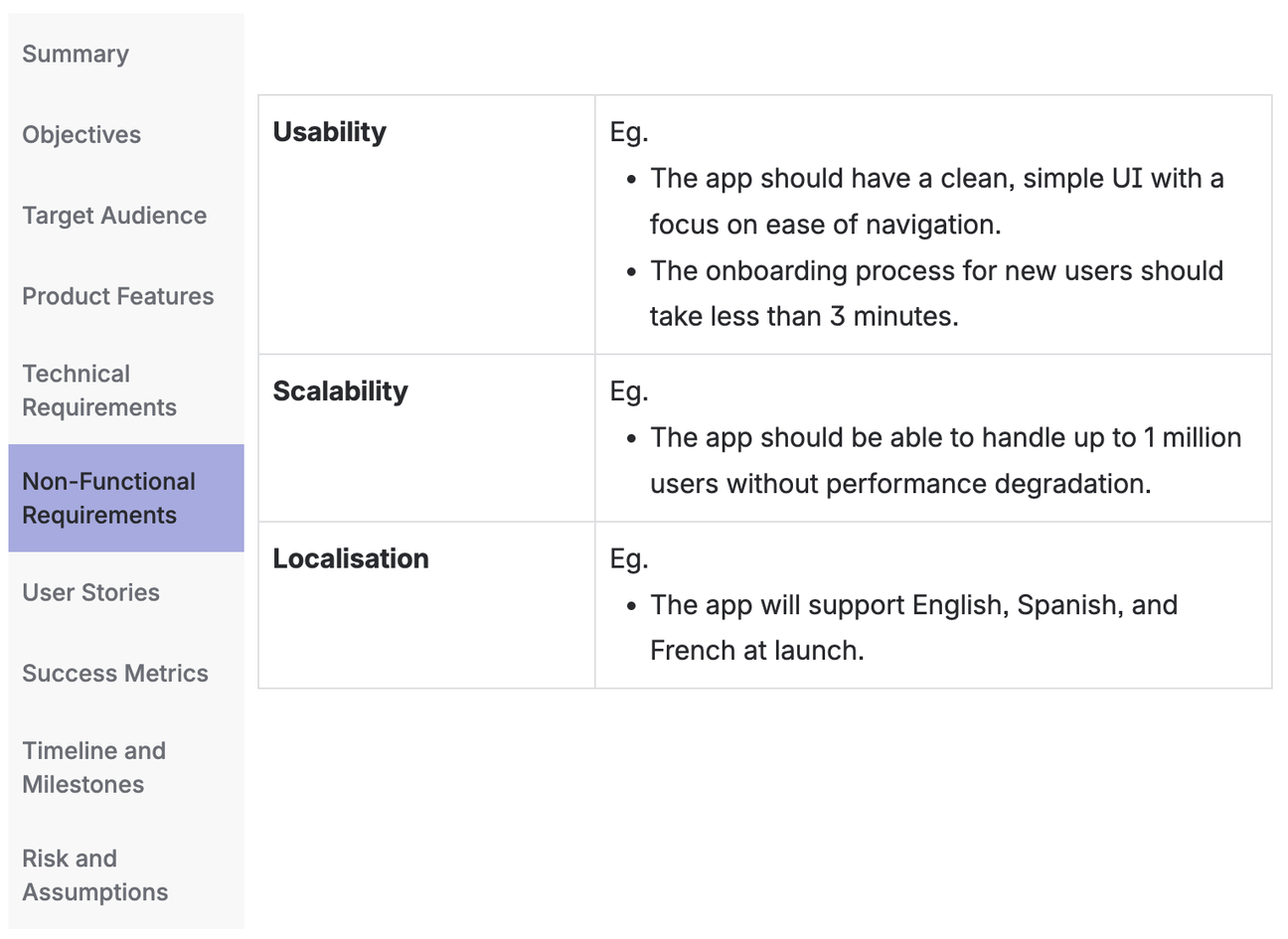
PRDs are usually long documents with many sections to them. Help readers find the sections they’re looking for quickly by laying them out clearly. Our template uses tabs, allowing readers to scan through the headings and skip ahead to the sections they need. Sections include:
  • Summary
  • Objectives
  • Target Audience
  • Product Features
  • Technical Requirements
  • Non-Functional Requirements
  • User Stories
  • Success Metrics
  • Timeline and Milestones
  • Risk and Assumptions
A screenshot of the Product Requirements Document Template showing different sections in tabs, with the Non-Functional Requirements tab open showing a table inside
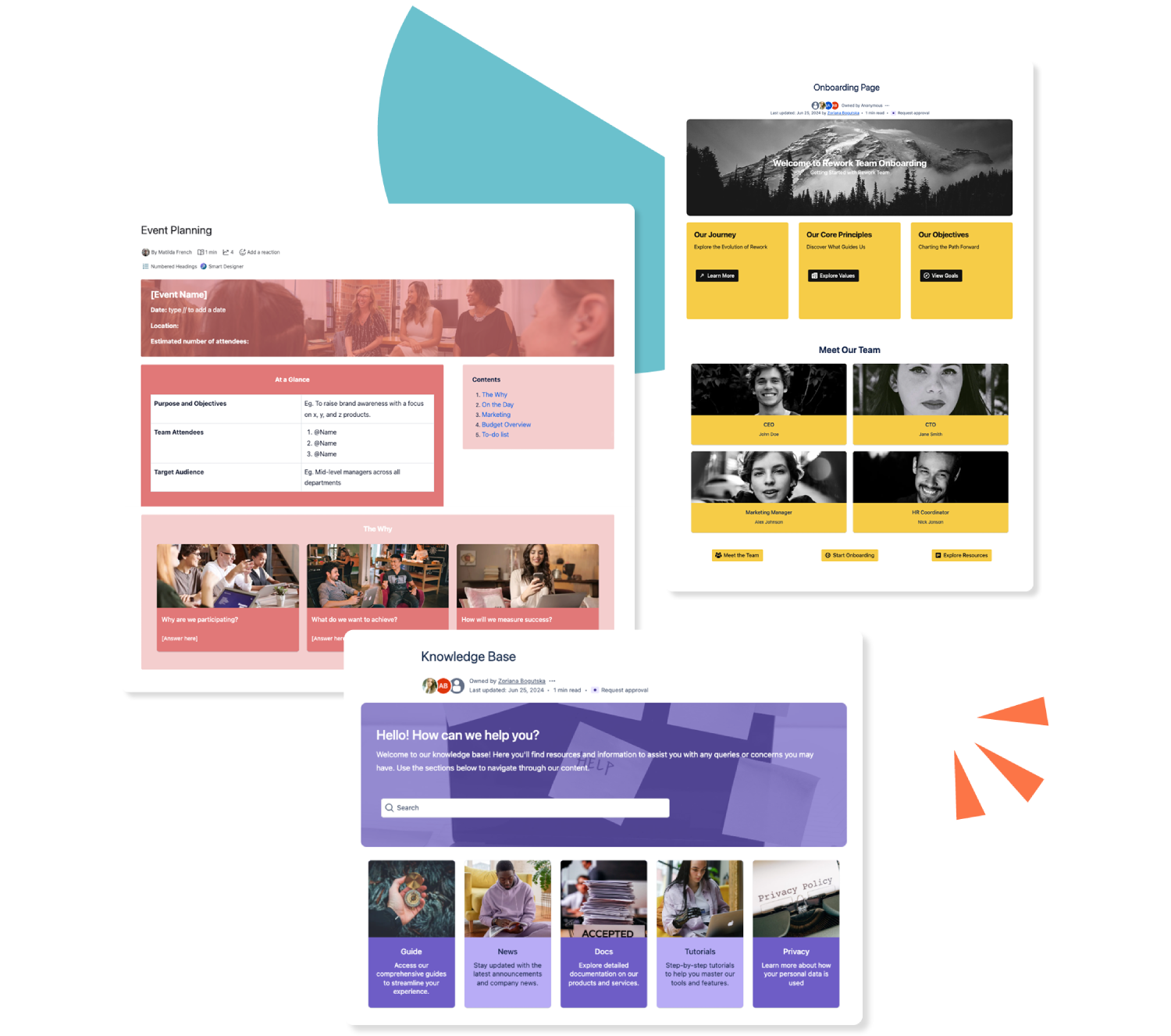
Three colourful Confluence templates stacked over each other

Get this template and more with Mosaic

Try Mosaic completely free for 30 days and see how much time you save with our range of engaging templates.

Explore more Confluence templates

A how-to article template on Confluence

Confluence How-to Article Template

A how-to article gives an at-a-glance overview of everything to do with your business. Use our how-to article template today.
Read more
A Confluence template for documentation

Confluence Documentation Template

Ensure readers can (and do!) readily consume your important content with our easy-to-use documentation template.
Read more
A template for a knowledge base in Confluence

Confluence Knowledge Base Template

Make your Confluence knowledge base a space of beauty, with dynamic elements to make everyone stare! Our customisable templates make it easy.
Read more